Spiked vs Spikeless Golf Shoes: Traction, Comfort, and Course Fit
Fairway Pick may earn a commission from qualifying purchases at no extra cost to you. Course policies vary, so check local footwear rules before playing.
Quick answer: choose spiked golf shoes when maximum traction on wet, soft, hilly, or uneven turf matters more than off-course convenience. Choose spikeless shoes when you mostly walk firm courses, value a lighter everyday feel, and want footwear that can move from the car to the clubhouse without changing. Fit, outsole pattern, upper support, and condition matter as much as the category label.
What “spiked” and “spikeless” mean
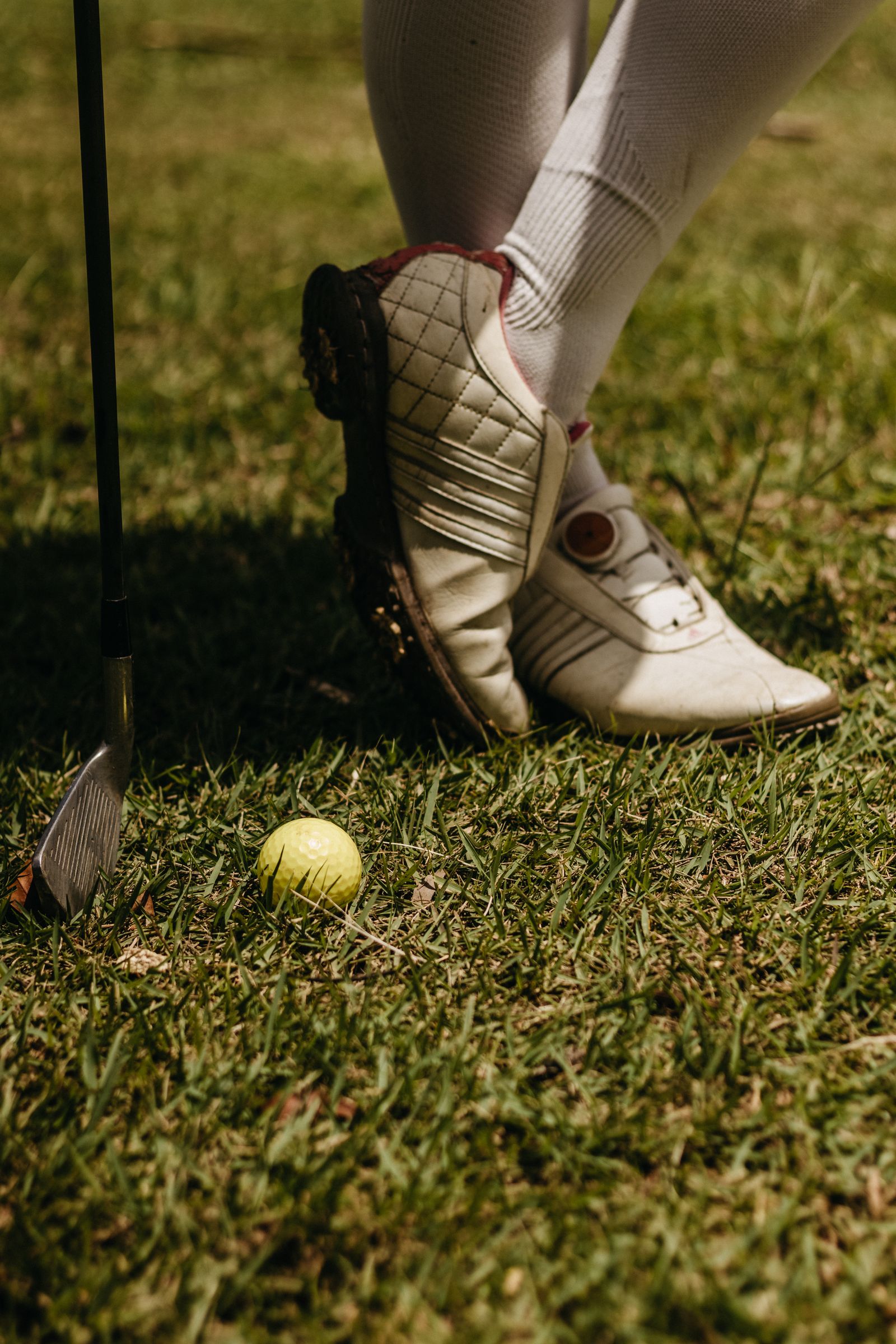
Modern spiked golf shoes normally use replaceable plastic cleats fitted into receptacles in the outsole. Metal spikes are prohibited or discouraged at many facilities because they can damage greens and floors. Spikeless shoes use molded rubber lugs, nubs, ridges, or directional traction zones integrated into the outsole.
Both are legal in ordinary play when they comply with the Rules and local conditions of competition. The USGA Equipment Rules allow shoes that help a player obtain a firm stance, including sole spikes subject to competition conditions, but prohibit features designed to build a stance, align the player, or otherwise give artificial assistance.
Side-by-side decision table
| Factor | Spiked | Spikeless |
|---|---|---|
| Wet or soft turf | Usually stronger penetration and grip | Depends heavily on lug depth and rubber |
| Firm, dry course | Secure but can feel more raised | Often comfortable and natural to walk |
| Off-course use | Change shoes before hard floors | Often suitable for short casual use |
| Maintenance | Clean and replace cleats | Clean molded tread; no cleat hardware |
| Service life | Worn cleats may be replaceable | Worn traction means replacing the shoe |
| Packability | Usually dedicated golf footwear | Can simplify travel and practice days |
Traction on wet and uneven ground
Spiked designs have an advantage when the ground is soft enough for cleats to engage. The effect is most noticeable on slopes, in wet rough, and during a powerful transition where the feet resist rotation and lateral movement. A worn, clogged, or incorrectly fitted cleat reduces that advantage.
Spikeless traction has improved because outsoles can combine many rubber compounds and lug directions. A good pattern can be secure on dry turf and light moisture, but shallow lifestyle-inspired tread may struggle in mud or wet grass. Inspect the heel, lateral edge, and forefoot rather than judging the shoe from one central lug.
No shoe eliminates slipping. Slow down on bridges, cart paths, steps, exposed roots, and steep banks. Rubber and plastic that grip turf may behave differently on smooth hard surfaces.
Walking comfort
Spikeless shoes often flex and roll more like walking or running shoes, which can feel natural over 18 holes. Spiked shoes may have a firmer platform to support cleat receptacles and resist twisting. That can feel stable during the swing but less forgiving during a long walk.
Construction varies enough that category alone is a poor comfort test. Check heel hold, toe-box room, arch shape, midsole cushioning, tongue pressure, and whether the outsole flexes under the forefoot. Walk on an incline if possible. A shoe that feels soft for five minutes can still allow heel movement or toe impact after several miles.
Stability during the swing
Stability is not the same as stiffness. The foot should remain centered on the platform while the upper prevents excessive sliding. Look for a secure heel counter, a base that is not narrower than the foot, and support through the midfoot. Try normal swings rather than only standing straight.
Golfers with a fast transition or aggressive lower-body action may prefer the locked-in feel of replaceable cleats. Players with a smoother motion may find a well-designed spikeless outsole fully adequate. The useful test is whether you can make balanced swings on the turf and slopes you actually encounter.
Waterproofing is a separate feature
A spiked shoe is not automatically waterproof, and a spikeless shoe is not automatically breathable. Read the upper-material and warranty details. Waterproof membranes and sealed seams help in rain and morning dew but can run warmer. Mesh uppers dry quickly and ventilate well, yet may allow water through immediately.
Water can also enter over the collar. Rain pants should overlap the shoe rather than channel water into it. Clean mud away before it dries, remove insoles when appropriate, and air-dry away from direct heat.
Fit before outsole type
- Try shoes with the socks you play in.
- Shop later in the day when feet may be slightly larger.
- Leave enough toe room for descents without allowing the foot to slide.
- Check heel lift while walking and making a controlled swing.
- Confirm the widest part of the foot matches the widest part of the shoe.
- Test both feet; size to the larger one when necessary.
Brand sizing and last shape vary. Do not buy a smaller size merely to create “performance fit.” Pressure points rarely improve over a full walking round.
Cleat systems and replacement
Before buying spiked shoes, identify the cleat receptacle system and confirm replacement cleats are available. Similar-looking cleats may use incompatible threads or locking patterns. Use the tool and installation method specified by the manufacturer.
Replace cleats when edges round off, pieces break, or traction becomes uneven. Remove debris before turning them; forcing a packed receptacle can damage the insert. Check all cleats after replacement so the shoe sits evenly.
Spikeless outsole wear
Spikeless shoes are convenient off the course, but pavement wears the same lugs needed for golf. Limit unnecessary city walking if traction is the priority. Inspect high-wear zones under the heel and forefoot. Once molded lugs become smooth, they cannot usually be replaced.
Rotate pairs if you play frequently. Allowing shoes to dry between rounds protects the upper, insole, and odor control, whether the outsole is spiked or molded.
Who should choose spiked
- Players who regularly encounter rain, dew, soft turf, or steep slopes
- Golfers who prioritize lateral grip during a forceful swing
- People who want replaceable traction components
- Players comfortable carrying dedicated course shoes
Who should choose spikeless
- Walkers on firm, dry, relatively level courses
- Travelers who want one versatile pair for range and clubhouse
- Players who prefer lighter, flexible footwear
- Golfers willing to replace the shoe when molded tread wears out
A two-pair strategy
Frequent golfers do not need to force one design into every condition. A breathable spikeless pair can cover dry summer rounds and practice, while a waterproof spiked pair handles wet mornings and winter turf. Rotation also gives each pair time to dry and makes wear easier to spot.
Common mistakes
- Assuming all spikeless patterns provide the same grip
- Buying for looks before testing heel hold and width
- Wearing molded golf tread smooth on pavement
- Ignoring cleat-system compatibility
- Calling a shoe waterproof because the upper looks solid
- Keeping worn cleats until several are missing
- Walking on slick hard floors without caution
FAQ
Are spikeless golf shoes good in rain? Some are waterproof and have aggressive tread, but wet-turf grip varies. Check both the upper rating and outsole pattern.
Can I wear spiked shoes in the clubhouse? Many facilities restrict them indoors. Follow local signs and staff directions.
How often should golf cleats be replaced? There is no universal interval. Inspect wear and grip frequently; playing frequency, walking surfaces, and storage all matter.
Are spiked shoes better for beginners? Not automatically. A beginner benefits most from correct fit, stable footing, and comfort on the local course.
Sources
- USGA, Equipment Rules, Part 6: Shoes and Other Equipment — https://www.usga.org/content/dam/usga/pdf/Equipment/Equipment%20Rules%20Final.pdf
- The R&A, Rules of Golf — https://www.randa.org/rog/the-rules-of-golf