Clinch Golf Glove Review: A Better Grip in Wet Weather?
Fairway Pick may earn a commission from qualifying purchases at no extra cost to you.
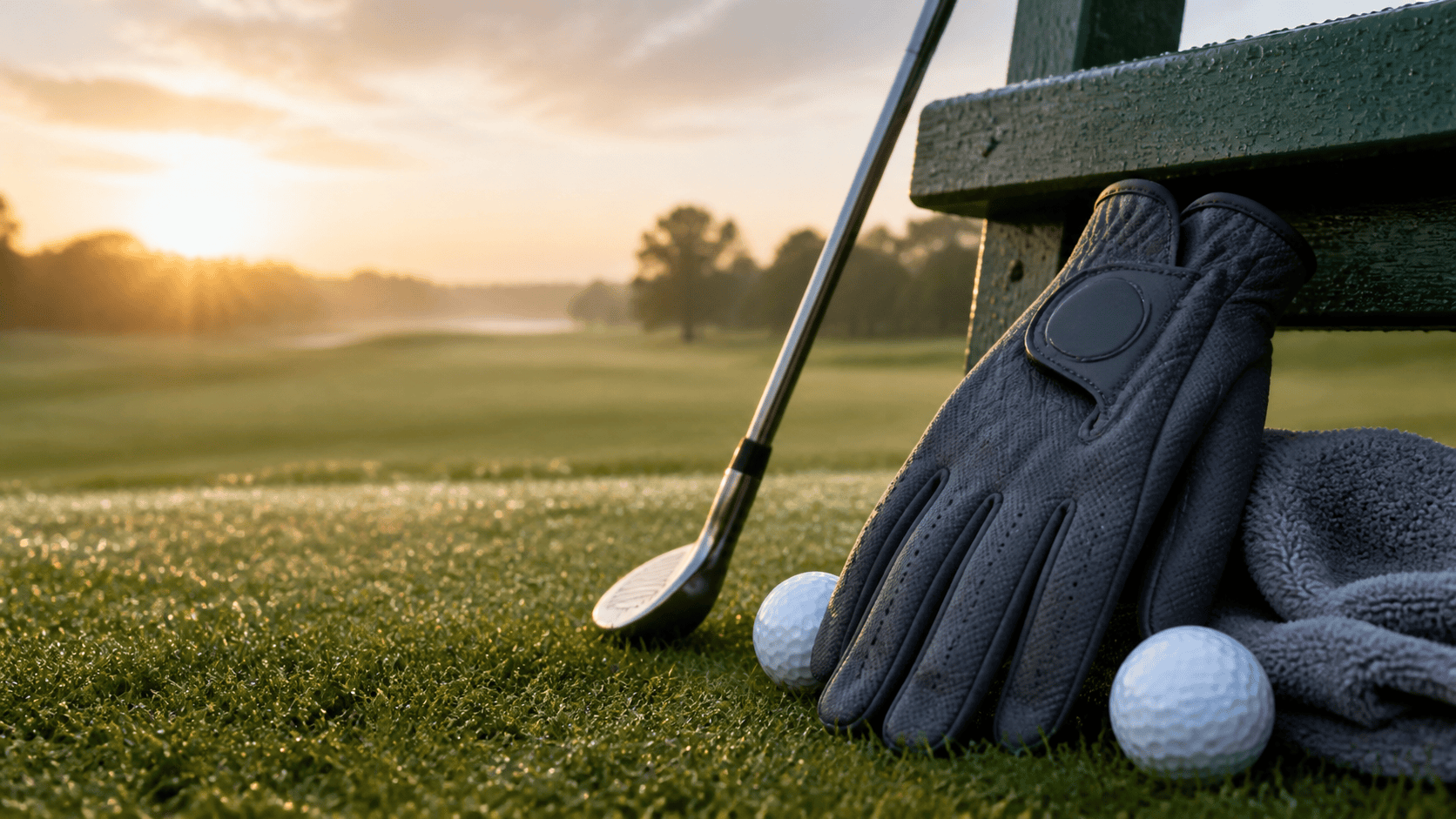
A golf glove has a difficult job. It needs to feel thin enough for feedback, secure enough to stop the club from moving, and comfortable after several hours of heat, sweat, rain, or all three. Traditional cabretta leather still sets the standard for soft feel, but it can become slick, stiff, or misshapen when moisture takes over. Clinch Golf is betting that a modern technical fabric can solve those weaknesses without turning the glove into a bulky rain mitt.
This Clinch Golf glove review is an editorial assessment based on current manufacturer specifications and policies, not a claim of hands-on testing. We evaluated the $25 Clinch Tactile Glove against premium leather options from FootJoy, Titleist, and TaylorMade, with particular attention to wet-weather grip, breathability, sizing, value, and the trade-offs of moving away from leather.
Quick Answer
The Clinch Tactile Glove looks most compelling for golfers who play in humid, rainy, or sweaty conditions and are tired of rotating damp leather gloves. Its proprietary CrushGroove fabric is marketed to maintain grip when wet, dry quickly, stretch back into shape, and work with touchscreens. At $25, it also undercuts several current premium-leather rivals. Traditionalists who prioritize the thinnest possible leather feel may still prefer Titleist Players, FootJoy StaSof, or TaylorMade Tour Preferred.
What Makes the Clinch Tactile Glove Different?
Clinch was founded by Oregon golfers with backgrounds in performance materials. Instead of using leather for the palm and fingers, the Tactile Glove uses the brand’s proprietary CrushGroove fabric. Clinch says the material becomes reliable around moisture, allows more airflow than leather, and rebounds after stretching rather than staying baggy.
- Price: $25 at the time of writing
- Sizes: XS through XXL
- Hand options: left-hand glove for right-handed golfers and right-hand glove for left-handed golfers
- Key features: wet-condition grip, breathable stretch fabric, quick on/off tab, touchscreen compatibility, and reusable packaging
- US shipping: free on orders over $65 according to the product page
The proposition is practical rather than cosmetic. A glove that stays usable when damp can reduce the need to carry several leather gloves, and a touchscreen-compatible material is convenient for golfers who use a phone for GPS, scoring, music, or messages. Clinch also sells several colors and limited collaborations, so it offers more personality than the usual white tour glove.
Performance Assessment
Grip in rain, humidity, and sweat
Moisture is the clearest reason to consider Clinch. Leather can feel excellent when clean and dry, but perspiration and rain change its surface and shape. Clinch specifically markets CrushGroove as a fabric that continues to grip when wet. That makes the glove relevant beyond rainy rounds: summer humidity, range sessions, and condensation from a cold drink can all introduce enough moisture to affect a leather palm.
That does not mean every golfer will prefer the feel. Synthetic texture can provide security without duplicating the supple, almost invisible sensation of premium cabretta. Players who grip lightly and judge a glove primarily by feedback should compare both materials before buying multiples.
Breathability and fit
Clinch uses stretch to simplify sizing. The company says golfers can generally choose their usual glove size, while players who normally wear M/L should consider Large. It does not offer a separate cadet line because the fabric is intended to accommodate wider palms and shorter fingers through stretch.
That simplicity is useful, but fit remains personal. A glove should sit smoothly across the palm with no loose material at the fingertips. If you fall between sizes or normally depend on cadet proportions, order one glove first rather than assuming stretch will solve every mismatch.
Durability and care
Clinch positions the Tactile as longer-lasting than leather and washable, two advantages that could materially improve value. The exact durability multiplier is not presented consistently across the brand’s current pages, so we would not treat a specific “2X” or “3X” figure as guaranteed. Actual life will depend on grip pressure, club grip texture, weather, and whether the glove is allowed to dry between rounds.
A useful buying test is cost per round, not purchase price alone. If a $25 synthetic glove replaces two leather gloves during a hot or wet season, the value case is strong. If you play mostly in dry weather and replace gloves only occasionally, the difference is less important.
Clinch vs. Premium Leather Golf Gloves
| Glove | Current price | Material focus | Best for | Main trade-off |
|---|---|---|---|---|
| Clinch Tactile | $25 | Technical synthetic fabric | Rain, sweat, humidity, and easy care | Less traditional than thin cabretta |
| FootJoy StaSof | $29 | Premium leather | Classic soft feel and familiar fit | Leather needs more moisture management |
| Titleist Players | $31 | Thin cabretta leather | Maximum feedback and precise fit | Highest price in this comparison |
| TaylorMade Tour Preferred | $27.99 | AAA cabretta leather | Tour-style feel with perforation | Conventional leather care and wear |
Choose FootJoy StaSof if you want a widely available premium leather glove with a familiar feel. Choose Titleist Players if the thinnest cabretta sensation and precise seam placement matter more than price. Choose TaylorMade Tour Preferred if you want a tour-style leather build with perforation, moisture-wicking at the wrist, and broad regular/cadet sizing. Choose Clinch if consistent grip around moisture, quicker drying, touchscreen use, and reduced glove rotation are more important than leather tradition.
Important Trade-Offs Before Ordering
- It will not feel exactly like cabretta. Secure synthetic grip and ultra-thin leather feedback are different experiences.
- Fit still needs verification. Stretch may reduce the need for cadet sizing, but finger length and palm shape vary.
- Policy language is inconsistent. Clinch’s returns page states a 60-day exchange/return policy, while the current product page references 30-day returns. Confirm the live terms at checkout.
- Free shipping requires a larger order. One $25 glove does not meet the stated $65 US threshold, so a multi-glove order or accessories may be needed.
Who Should Buy the Clinch Tactile Glove?
Clinch is a logical choice for golfers in Florida humidity, Pacific Northwest rain, hot summer leagues, or anyone whose leather glove becomes damp before the turn. It also suits walkers who want breathable fabric and golfers who prefer keeping a glove on while using a phone or GPS app.
It is less obvious for the golfer who plays almost exclusively in dry weather, values the softest possible cabretta feel, or already buys leather gloves in discounted multi-packs. Those players may see Clinch as a useful wet-weather backup rather than a full-time replacement.
Bottom Line
The Clinch Tactile Glove addresses a real weakness in traditional golf gloves: moisture changes how leather feels and performs. At $25, Clinch is competitively priced against premium leather while offering a more breathable, stretch-oriented, touchscreen-friendly design. Its strongest case is not that leather is obsolete, but that many everyday golfers need a glove built for sweat and changing weather rather than perfect tour conditions.
Buy one first, verify the fit, and compare its grip and feel with your usual glove over several rounds. If you regularly discard stretched or crusty leather gloves, the durability and easy-care proposition could make Clinch the better long-term value.
Frequently Asked Questions
Is the Clinch Tactile Glove made from leather?
No. Clinch uses its proprietary CrushGroove technical fabric rather than traditional cabretta leather.
Does the Clinch glove work in rain?
Clinch specifically markets the Tactile Glove for grip around rain, sweat, and humidity. This assessment is based on manufacturer information rather than Fairway Pick hands-on testing.
Which hand should I order?
A right-handed golfer usually wears a glove on the left hand; a left-handed golfer usually wears one on the right hand. Confirm the selection shown on the product page before checkout.
Does Clinch offer cadet sizing?
Clinch does not use separate cadet sizes for the Tactile Glove. The company says the stretch fabric is intended to accommodate wider palms and shorter fingers.